Dead Bat Removal in Columbia, SC
Safe removal and disposal of dead bats from homes, walls, and attics.
What Dead Bat Removal Involves
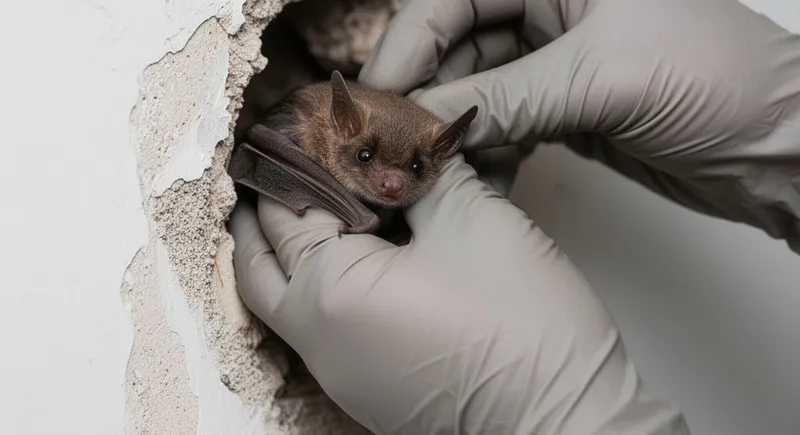
Dead bat removal is more involved than most people expect. It's not just picking up a bat and throwing it away. The process starts with locating the bat — which is straightforward if it's on the attic floor, but considerably harder if it's inside a wall cavity. We use odor tracking, inspection cameras, and when necessary, a small targeted opening in drywall to access and remove the bat.
Once located, we remove the bat using proper PPE — gloves, respirator, and protective clothing. The bat is sealed in a bag and disposed of according to South Carolina health and wildlife regulations. You can't just toss a dead bat in your household trash. There are specific disposal requirements, especially if rabies testing is needed.
After removal, we disinfect the area where the bat was found. Decomposition fluids can contaminate drywall, wood, and insulation, so we treat the surface with antimicrobial agents. If the bat has been decomposing for a while, odor treatment is part of the process — thermal fogging or odor-neutralizing agents to eliminate the smell at its source rather than masking it. We also investigate how the bat got there in the first place, because a dead bat often signals a larger problem.
When You Need Dead Bat Removal
A dead bat in your living space is the most obvious scenario. If you find one on the floor, in a light fixture, or on a windowsill, call us. There are a few reasons dead bats end up inside homes: a bat that entered through an open door or window and couldn't find its way out, a bat that got stuck in a gap and died, or a bat that was injured or sick and sought shelter.
A decomposing odor in your walls or ceiling is another sign. If you smell something dead and can't locate the source, a bat in a wall cavity is a possibility. The smell gets stronger over several days, then gradually fades as decomposition completes — but the health risk remains even after the odor is gone.
Multiple dead bats are a red flag. One dead bat might be an isolated incident. Two or more usually means there's a colony in your attic or walls, or that a previous DIY exclusion attempt trapped bats inside. If you're finding dead bats regularly, you need a full inspection to identify the source. Post-exclusion, occasionally a bat doesn't make it out — if you've recently had exclusion work done and find a dead bat, contact the company that did the work. It shouldn't happen with proper exclusion, and it means something went wrong.
Why Dead Bats Are a Health Concern
Dead bats carry two primary health risks: rabies and histoplasmosis. Rabies is the more immediate concern. Bats are the most common rabies vector in South Carolina, and a dead bat that a person or pet has had contact with needs to be tested. If you woke up and found a bat in your bedroom, or if your cat brought in a dead bat, contact South Carolina DHEC about rabies testing. Post-exposure prophylaxis might be recommended depending on the circumstances.
Histoplasmosis is the second risk. As a dead bat decomposes, especially in a humid Columbia attic where temperatures exceed 130°F in summer, fungal growth can occur on the remains and surrounding guano. Disturbing those dried remains releases spores into the air. This is why we don't recommend homeowners handle dead bats — without a HEPA respirator and proper PPE, you're exposing yourself to both risks.
Parasites are a secondary concern. Dead bats often have ectoparasites — mites, fleas, bat bugs — that leave the body after death and can infest your home. Professional removal includes treating the area for parasites. South Carolina health regulations also govern proper disposal of dead wildlife, and improper disposal can create legal issues on top of health risks.
What Affects Dead Bat Removal Cost
Dead bat removal is typically the least expensive bat service, but cost depends on accessibility and scope. A single dead bat in an accessible attic or living space is a straightforward, quick job. The cost rises when the bat is inside a finished wall — we need to locate it, open a small access point in the drywall, remove the bat, disinfect the cavity, and repair the wall.
The number of bats matters. Single-bat removal is one thing. Multiple dead bats from a failed DIY exclusion or a colony die-off require more extensive cleanup, decontamination, and potentially remediation of the surrounding area. Contamination spread is another factor — if decomposition fluids have soaked into drywall or insulation, those materials may need treatment or replacement.
Odor treatment adds cost when decomposition has been going on for a while. The good news: single-bat removal from an accessible area is typically inexpensive and can often be done the same day you call. For most Columbia homeowners, a dead bat is a one-time issue that's resolved quickly — though we always recommend an inspection to determine whether a larger colony is the underlying cause.
Dead Bat vs. Live Bat Problem
Finding one dead bat doesn't necessarily mean you have a colony. Bats are everywhere in the Midlands — they fly over every Columbia neighborhood every night, feeding on insects from the Congaree River and Lake Murray. A single bat that found its way inside and died is sometimes just bad luck. If the bat was in the living space, check whether a door or window was left open. If it was in the attic, there might be an entry point that needs sealing.
Multiple dead bats tell a different story. Two or more dead bats in your home means there's almost certainly a colony in your attic or walls, or that a DIY exclusion trapped bats inside. This is a situation that needs immediate attention — not just removal of the dead bats, but a full inspection to find the colony and address it properly. Dead bats in walls also mean decomposition is contaminating your home's structure, and the longer it sits, the worse the damage.
Here's the practical guidance: if you find one dead bat outdoors and no person or pet had contact with it, you can dispose of it yourself wearing gloves — double-bag it and put it in the trash. If the bat was inside your home, in a wall or attic, or if a person or pet may have touched it, call us. We'll remove it safely, disinfect the area, and assess whether there's a larger problem. That assessment is free with the removal.
Frequently Asked Questions About Dead Bat Removal
These are the questions Columbia homeowners ask most often about dead bats — whether they're dangerous, what to do, what removal costs, and whether a dead bat means there's a colony. For safe removal, call (803) 962-7434.
Ready to get a price on dead bat removal?
Call (803) 962-7434 or fill out the form for a free estimate. We'll inspect your home, identify entry points, and give you an itemized quote — no obligation, no pressure.
(803) 962-7434Other bat removal services for your home
Bat Removal
Humane bat removal from homes and attics across Columbia and the Midlands.
Learn More →
Bat Exclusion
The professional, legal method for getting bats out of your home — permanently.
Learn More →
Bat Remediation
Guano cleanup, attic restoration, and histoplasmosis prevention after a bat infestation.
Learn More →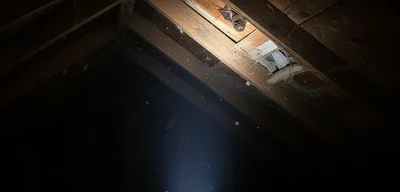
Bat Inspection
Thorough attic and exterior inspections to find bats, entry points, and damage.
Learn More →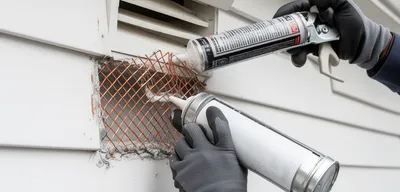
Bat Proofing
Prevent bats from returning — seal every entry point on your home for good.
Learn More →Frequently Asked Questions
Is a dead bat in my house dangerous?
Potentially yes. Dead bats can carry rabies, and disturbing dried remains can release histoplasmosis spores. If a person or pet may have had contact with the bat, contact South Carolina DHEC about rabies testing. Never handle a dead bat bare-handed — always use gloves and call a professional if the bat was inside your home.
What should I do if I find a dead bat?
If the bat is outdoors and no person or pet had contact with it, you can dispose of it wearing gloves — double-bag it and place it in the trash. If the bat was inside your home, in a wall or attic, or if contact with people or pets is possible, call us. We'll remove it safely, disinfect the area, and assess whether there's a larger problem.
How much does dead bat removal cost?
Single dead bat removal from an accessible area is typically inexpensive and can often be done the same day. Cost rises when the bat is inside a wall (requires drywall opening, repair) or when multiple bats indicate a larger problem. Odor treatment and contamination cleanup add to the cost. Call for a specific quote.
Does finding a dead bat mean I have a colony?
One dead bat doesn't necessarily mean a colony — it could be an isolated incident. But multiple dead bats usually means there's a colony in your attic or walls, or that a previous DIY exclusion trapped bats inside. We assess the situation during removal and recommend a full inspection if a larger problem is suspected.
Start your dead bat removal project today
Call (803) 962-7434 or send us a message. Free inspections, itemized pricing, and written warranties on every job. We respond to all inquiries within one business day.