Bat Removal in Columbia, SC
Professional bat removal in Columbia, SC. Humane exclusion, guano cleanup, bat proofing, and inspections — backed by 10 years of Midlands experience and written warranties.
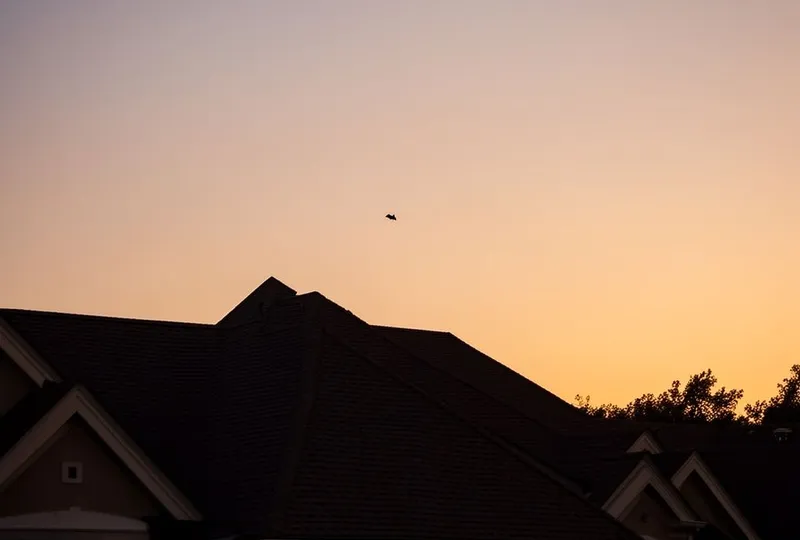
Professional Bat Removal Across the Columbia Metro
Columbia Bat Removers provides humane bat removal, exclusion, guano cleanup, and bat proofing to homeowners across Columbia and the surrounding Midlands. We're a licensed, South Carolina-compliant bat specialist — not a general wildlife or pest control company that treats bats as an afterthought. If you're hearing scratching in your attic at dusk, finding guano piles, or watching bats stream out of your roofline at sunset, you need exclusion, and you need it done by someone who knows SC bat laws. That's what we do, and we've been doing it for over ten years.
The goal is simple: get bats out of your home safely and legally, seal every entry point so they can't come back, and clean up the contamination they left behind. Free estimates, itemized pricing, written warranties. No vague ranges, no surprise charges, no pressure. Call (803) 962-7434 or send a message and we'll usually get back to you within the hour.
Signs You Have Bats in Your Columbia Home
Bats aren't always obvious. You might go months without realizing a colony has moved into your attic — and by the time you notice, the guano could be inches deep. The signs are there, though, and knowing what to look for saves you time, money, and health risk.
Scratching and squeaking at dusk and dawn is the most common tipoff. Bats are nocturnal, so they're active right after sunset when they leave to feed and again right before dawn when they return. If you hear noise in your ceiling or walls at those times, bats are the likely culprit. Guano piles near the base of your walls or on the ground below your roofline are another dead giveaway — small, dark droppings that accumulate night after night.
Dark brown staining on your siding near gaps and openings is body oil from bats squeezing through the same spot repeatedly. An ammonia smell in your attic means the colony has been there long enough for guano and urine to build up. And if you sit outside at sunset and watch bats stream out of your roofline — sometimes dozens at a time — you've got a confirmed colony. The best move at that point is a professional inspection before the problem gets worse.
Our Bat Removal Services
We offer six specialized bat removal services for Midlands homeowners. Click any service for details, pricing factors, and full descriptions.
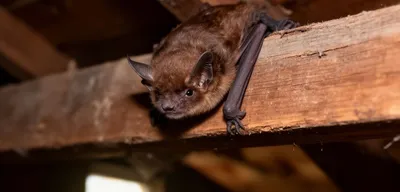
Bat Removal
Humane bat removal from homes and attics across Columbia and the Midlands.
Learn More →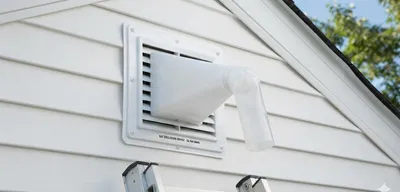
Bat Exclusion
The professional, legal method for getting bats out of your home — permanently.
Learn More →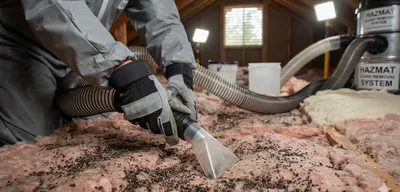
Bat Remediation
Guano cleanup, attic restoration, and histoplasmosis prevention after a bat infestation.
Learn More →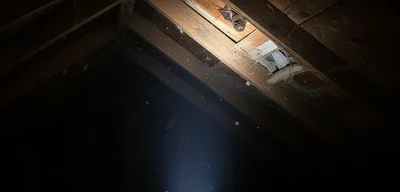
Bat Inspection
Thorough attic and exterior inspections to find bats, entry points, and damage.
Learn More →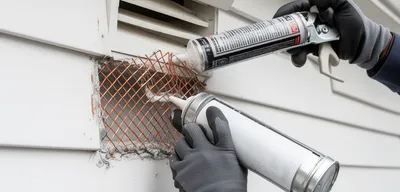
Bat Proofing
Prevent bats from returning — seal every entry point on your home for good.
Learn More →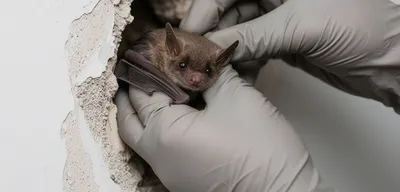
Dead Bat Removal
Safe removal and disposal of dead bats from homes, walls, and attics.
Learn More →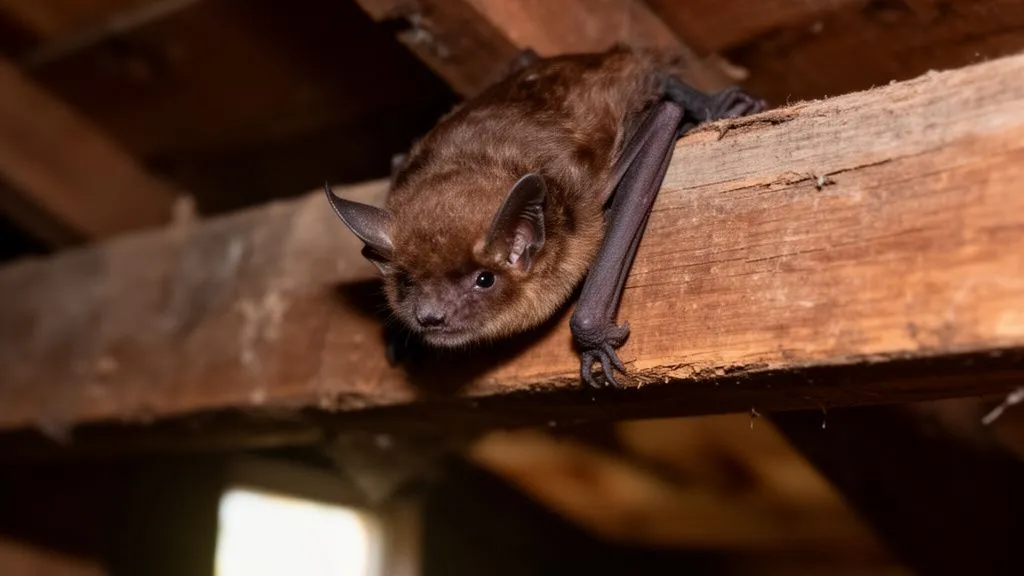
Why Columbia Homeowners Call Us
Every bat removal company in the Columbia area claims to be different. Here's how we actually are. We're bat specialists — not a general wildlife company that also does raccoons and squirrels and happens to get bat calls. Bats are all we do, and that focus means we know SC bat laws, we know Columbia's housing stock and where bats get in, and we know how to exclude them without trapping pups inside during maternity season.
We're licensed and insured in South Carolina. We use humane exclusion — the only legal method — and we work within SC DNR regulations, including the May 15 through August 15 maternity season restriction. Our proofing materials are chosen for the Midlands climate: copper mesh that won't corrode in the humidity, industrial-grade sealants rated for the extreme heat cycling that Columbia homes go through, vent screens and chimney caps built to last. Everything we do comes with a written warranty, and every inspection includes photo documentation so you can see exactly what's happening in your attic before you spend a dime.
We're local. Based in Columbia, serving Lexington, Irmo, Cayce, West Columbia, Forest Acres, and Blythewood. We know the housing styles in each area — the settling gaps in Shandon bungalows, the complex rooflines on Lake Murray homes, the construction gaps in new Blythewood subdivisions. When you call, you get someone who knows the Midlands. Not a national call center.
How Our Process Works
Every bat removal job follows the same four-phase process, and it works because it's built around how bats actually behave. Phase one is inspection. We go into your attic with headlamps and inspection cameras, check every surface for guano and bat activity, then move to the exterior and audit every gap, vent, and opening on your roofline. You get a written report with photos and an itemized quote.
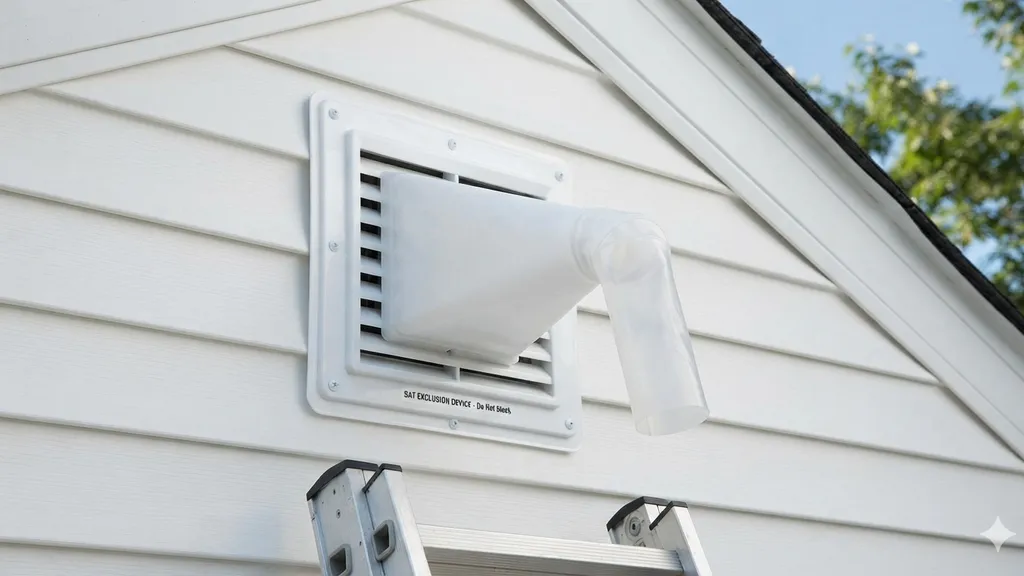
Phase two is exclusion. We install one-way devices over the bats' primary exit points. Bats leave at dusk to feed on insects over the Congaree River and Lake Murray, and when they try to come back before dawn, the devices block them. This takes three to seven nights — we don't rush it, because every bat needs to exit before we seal the final openings. We never touch, trap, or harm the bats. That's not just humane. It's the law in South Carolina.
Phase three is proofing. Once the bats are out, we seal every entry point — not just the active ones, but every gap 3/8 inch or larger — with copper mesh, galvanized flashing, and industrial-grade sealant. This is what prevents bats from coming back. Phase four, if needed, is remediation — HEPA-filtered guano removal, surface disinfection, insulation replacement, and odor treatment. Not every job needs remediation, but if guano has accumulated in your attic, it's critical for health reasons, especially in Columbia's extreme summer heat where fungal growth accelerates.
Bat Problems Are Common in the Midlands
Columbia has a perfect storm of factors that make bat problems more common here than in most of the country. The Congaree River and Lake Murray produce enormous insect populations — the food source that sustains bat colonies. Columbia sits at the fall line, where the piedmont meets the coastal plain, creating diverse habitat that supports more bat species than most areas. Congaree National Park, just south of the city, has one of the highest bat diversity records in the state. When you live near water in the Midlands, bats aren't a rarity. They're a fact of life.
Columbia is also consistently one of the hottest cities in the Southeast. Summer attic temperatures here regularly exceed 130°F, and that extreme heat has a direct effect on bat problems. Guano decomposes faster. Fungal growth accelerates. The ammonia smell from accumulated urine and droppings becomes intense enough to waft into living spaces. A colony that might take years to become a health hazard in a cooler climate can become one in months in a Columbia attic.
The housing stock seals the deal. Shandon, Elmwood, and Old North Columbia have homes dating to the 1920s — decades of settling, wood shrinkage, and storm exposure create gaps that bats exploit. Lake Murray homes have complex rooflines with dormers and multiple roof planes, meaning more junctions and more potential entry points. Even new construction in Blythewood has construction gaps at gable vents, soffits, and ridge joints. Bats don't care how old your house is. They care about gaps. And the Midlands has plenty.
Get a Free Bat Removal Estimate
Call (803) 962-7434 or fill out the form below. We'll inspect your home, identify entry points, and give you an itemized quote — no obligation, no pressure. Most inspections are scheduled within 48 hours.
(803) 962-7434Bat Removal Throughout the Columbia Metro Area
Columbia Bat Removers is based in Columbia and serves 7 communities across the Midlands — from Lexington and Irmo to Cayce, West Columbia, Forest Acres, and Blythewood. Wherever you are in the area, we're close by and ready to help.
Frequently Asked Questions
How much does bat removal cost in Columbia, SC?
Costs vary based on colony size, attic damage, and proofing scope. Most jobs range from $300 to $5,000+. We offer free estimates with transparent, itemized pricing — no vague ranges. The only way to get an accurate number is an on-site inspection of your home.
Is bat removal legal in South Carolina?
Yes, but bats are protected under SC law. Exclusion — one-way devices that let bats leave on their own — is the only legal method. No poisons, no trapping, no killing. Maternity season runs May 15 through August 15, and exclusion during that window is restricted to prevent orphaning flightless pups.
How do I know if I have bats in my attic?
Listen for scratching or squeaking at dusk and dawn. Look for guano piles near the base of your walls or on the ground below your roofline. Check for dark brown stains on siding near gaps. An ammonia smell in the attic means an established colony. If you see bats exiting your roof at sunset, you've got bats.
Can I remove bats myself?
No. Bats are protected by SC law, and DIY methods don't work. Mothballs and ultrasonic devices are ineffective. Sealing entry points while bats are inside is illegal and traps them — they'll end up in your living space or die in your walls. Professional exclusion is the only method that's both legal and effective.
How long does bat exclusion take?
The exclusion phase takes 3–7 days as bats leave on their own through one-way devices. The full project — inspection, exclusion, proofing, and any needed cleanup — typically takes 1–2 weeks of elapsed time with 2–4 days of on-site work.
Are bats protected in South Carolina?
Yes. South Carolina law prohibits killing bats, and some species are federally protected. Exclusion during maternity season (May 15–August 15) is restricted to prevent orphaning flightless pups. Professional exclusion is the legally compliant method, and SC DNR regulations govern how and when exclusion can be performed.
What does bat guano cleanup involve?
HEPA-filtered removal of all guano, disinfection of affected surfaces with antimicrobial agents, contaminated insulation replacement, and odor treatment. The key health concern is histoplasmosis — disturbing dried guano releases dangerous fungal spores, especially in Columbia's hot, humid climate where fungal growth accelerates.
Does bat proofing keep bats from coming back?
Yes. Professional proofing seals every entry point — gaps as small as 3/8 inch — with durable materials like copper mesh, galvanized flashing, and industrial-grade sealants rated for Midlands conditions. Most proofing comes with a warranty. If bats get back in through a sealed point, we return and fix it at no charge.
Ready for a Bat Removal Project Done Right?
Call us today for a estimate. No pressure, no obligation — just honest advice from a team that stands behind their work.
(803) 962-7434