Bat Proofing in Columbia, SC
Prevent bats from returning — seal every entry point on your home for good.
How Bat Proofing Works
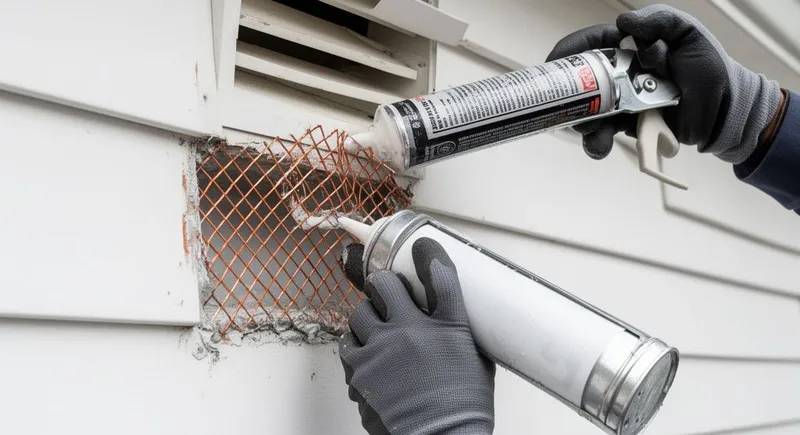
Bat proofing is physical, permanent, and detail-oriented. We seal every gap on your home's exterior that's 3/8 inch or larger — the minimum opening a bat can squeeze through. That means copper mesh packed into gaps around gable vents, soffit panels, and dormer junctions. Silicone caulk rated for Midlands conditions sealing hairline cracks. Galvanized flashing reinforcing vulnerable roofline areas. Vent screens installed over gable and ridge vents. Chimney caps where chimneys are uncapped or inadequately screened.
The materials matter. We use copper mesh because it won't rust or corrode in Columbia's humid climate — standard steel mesh degrades in a few years here. Our sealants are industrial-grade products rated for UV exposure and the extreme temperature cycling that Midlands homes go through, not the acrylic caulk from the hardware store that cracks within two seasons. Columbia's summer attic temperatures exceed 130°F, and that heat cycles building materials harder than in coastal or mountain areas. Every material we use is chosen for longevity in that environment.
Proofing isn't just about the active entry points. We seal every potential entry point — places bats aren't using now but could use later. That's the difference between proofing and basic exclusion sealing. If we only seal the gaps bats are currently using, they'll find another opening within weeks. Sealing everything is what makes the solution permanent. After proofing, we do a final inspection with the same thoroughness as the initial assessment to confirm nothing was missed.
Signs You Need Bat Proofing
The most obvious time to proof is right after exclusion. Once bats are out, sealing those entry points — and every other potential gap — prevents them from returning. But proofing isn't just reactive. It's also a preventive measure, and doing it before bats ever move in is the smartest investment a Columbia homeowner can make.
If you're buying an older home in the Columbia area — especially a historic property in Shandon, Elmwood, or Forest Acres — bat proofing should be part of your move-in checklist. These homes have decades of settling and material aging that create gaps bats will eventually find. Proofing before you move in means you never have to deal with a bat problem in the first place.
Recurring bat problems are another sign. If you've had bats excluded before and they came back, it's because the proofing was incomplete or insufficient. A second exclusion without comprehensive proofing will end the same way. Homes near the Congaree River, Lake Murray, or wooded areas with heavy bat populations benefit from proactive proofing even if no bats have been seen yet — those environments mean bats are in the area, and it's a matter of when, not if, they find your home.
Why Columbia's Older Homes Are Vulnerable to Bats
Columbia has a high concentration of older homes — especially in Shandon, Elmwood, Old North Columbia, and Forest Acres — and those homes are full of character and full of gaps. It's not a flaw. It's a function of age. Wood shrinks over decades. Settling creates separations at joints. Storms loosen flashing and vents. The original construction techniques that make these homes special also leave openings that modern, sealed construction doesn't.
Older Columbia homes share specific vulnerability patterns. Gable vents with decorative louvers have gaps between the slats. Soffit vents designed for air circulation are open invitations to bats. Original wood siding develops separations at joints as the wood expands and contracts through decades of Columbia's extreme summer heat and winter cold. Clay tile roofs develop gaps as tiles shift. Even homes that have been renovated often have new siding over old construction, and the gaps behind the siding are invisible until bats find them.
Lake Murray homes have a different vulnerability profile. The complex rooflines — dormers, multiple roof planes, valley junctions — that make lake houses attractive also create more potential entry points than a simple ranch. New construction in Blythewood isn't immune either; new homes still have construction gaps at vents, soffits, and ridge joints. Proofing takes experience — you have to know where to look and how to seal without compromising the home's character.
What Affects Bat Proofing Cost
Proofing cost comes down to how much sealing is needed and how hard it is to reach. The number of entry points and potential gaps is the primary driver — a small home with a simple roofline might have five or six gaps to seal. A large historic home in Shandon with multiple dormers, a complex roofline, and decades of settling could have twenty or more.
Home size and height affect the cost. Taller homes require more setup time for safe access — ladders, scaffolding, or lift equipment for three-story homes. Roof pitch matters too. A steep roof takes longer to work on safely than a low-slope roof. Historic homes can add complexity if there are restrictions on exterior modifications or if special care is needed to preserve character.
The type of materials needed varies by opening. Basic caulk sealing is less expensive than fabricating custom chimney caps or installing vent screens with framing. But proofing is typically the most cost-effective phase of bat management — it's less expensive than exclusion plus remediation, and it prevents the problem from developing in the first place. Our proofing work comes with a warranty. If bats get back in through a point we sealed, we come back and fix it at no charge.
Bat Proofing vs. Bat Exclusion
Exclusion and proofing are complementary — you need both for a complete solution. Exclusion uses one-way devices to let existing bats leave your home. Proofing seals every entry point so bats can't get back in — or get in in the first place. Exclusion without proofing leaves the door open. Proofing without exclusion traps bats inside. Done together, they're a permanent solution.
The ideal sequence for an active infestation is exclusion first, then proofing. We let the bats leave through one-way devices, confirm they're all out, then seal every gap 3/8 inch or larger with copper mesh, galvanized flashing, and industrial-grade sealant. We install vent screens and chimney caps where needed. The proofing materials we use are chosen for Columbia's climate — copper mesh won't corrode in the humidity, and our sealants handle the extreme heat cycling that Midlands homes experience.
One thing to understand: proofing is not a one-and-done process for older homes. Columbia's climate and aging housing stock mean new gaps can develop over time. We recommend having your home re-inspected every few years to check for new openings, especially after major storms. The proofing materials we install are rated for 10+ years, but the rest of your house may shift and age. Regular inspections catch new gaps before bats do.
Frequently Asked Questions About Bat Proofing
These are the questions Columbia homeowners ask most often about bat proofing — what it is, how long it lasts, whether it works on older homes, and whether it keeps other wildlife out too. For a proofing assessment, call (803) 962-7434.
Ready to get a price on bat proofing?
Call (803) 962-7434 or fill out the form for a free estimate. We'll inspect your home, identify entry points, and give you an itemized quote — no obligation, no pressure.
(803) 962-7434Other bat removal services for your home
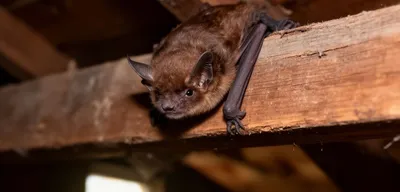
Bat Removal
Humane bat removal from homes and attics across Columbia and the Midlands.
Learn More →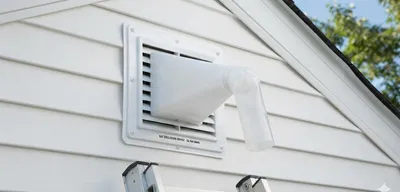
Bat Exclusion
The professional, legal method for getting bats out of your home — permanently.
Learn More →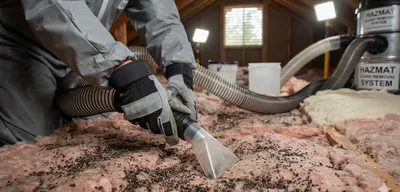
Bat Remediation
Guano cleanup, attic restoration, and histoplasmosis prevention after a bat infestation.
Learn More →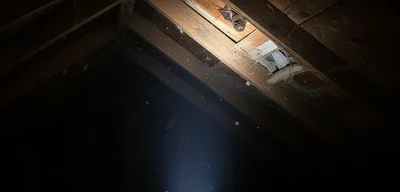
Bat Inspection
Thorough attic and exterior inspections to find bats, entry points, and damage.
Learn More →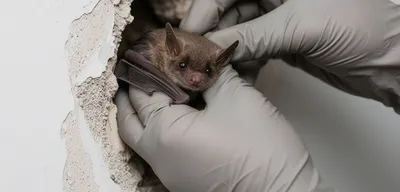
Dead Bat Removal
Safe removal and disposal of dead bats from homes, walls, and attics.
Learn More →Frequently Asked Questions
What is bat proofing and how is it different from exclusion?
Exclusion uses one-way devices to let bats leave your home. Proofing seals all entry points — active and potential — with durable materials so they can't return. Both are needed: exclusion gets bats out, proofing keeps them out. We typically do both in the same project for a permanent solution.
How long does bat proofing last?
Professional proofing with quality materials — copper mesh, galvanized flashing, industrial-grade sealants rated for Midlands conditions — lasts 10+ years and comes with a warranty. Columbia's extreme heat and humidity accelerate wear on lesser materials, which is why we use premium products. We recommend re-inspections every few years to catch new gaps from settling or storm damage.
Can you bat proof an older Columbia home?
Yes. Historic homes in Shandon, Elmwood, Forest Acres, and elsewhere have more entry points due to settling and aging materials, but they can be effectively proofed. We use materials and techniques that respect the character of older homes while providing modern protection — no visible modifications to historic facades.
Does bat proofing keep other wildlife out too?
Yes. Sealing gaps to 3/8 inch keeps out bats, and the same sealed points also deter squirrels, rats, mice, and some insects. Each species has different entry requirements — squirrels need larger openings, for example — but the comprehensive gap-sealing approach of bat proofing provides broad pest-prevention benefits.
Start your bat proofing project today
Call (803) 962-7434 or send us a message. Free inspections, itemized pricing, and written warranties on every job. We respond to all inquiries within one business day.