Bat Removal in Lexington, SC
Lexington is the fastest-growing area in the Columbia metro. Lake Murray is the dominant geographic feature — miles of shoreline with homes that have complex rooflines (dormers, multiple roof planes) creating more potential entry points for bats. The mix of older lake homes from the 1970s-1990s and new suburban construction means both settling gaps and construction gaps. Lake Murray's insect population from the water makes bat activity higher here than in areas away from water. Lexington County permitting applies. Columbia Bat Removers provides full bat removal, exclusion, remediation, and proofing services to Lexington homeowners with free estimates and written warranties.
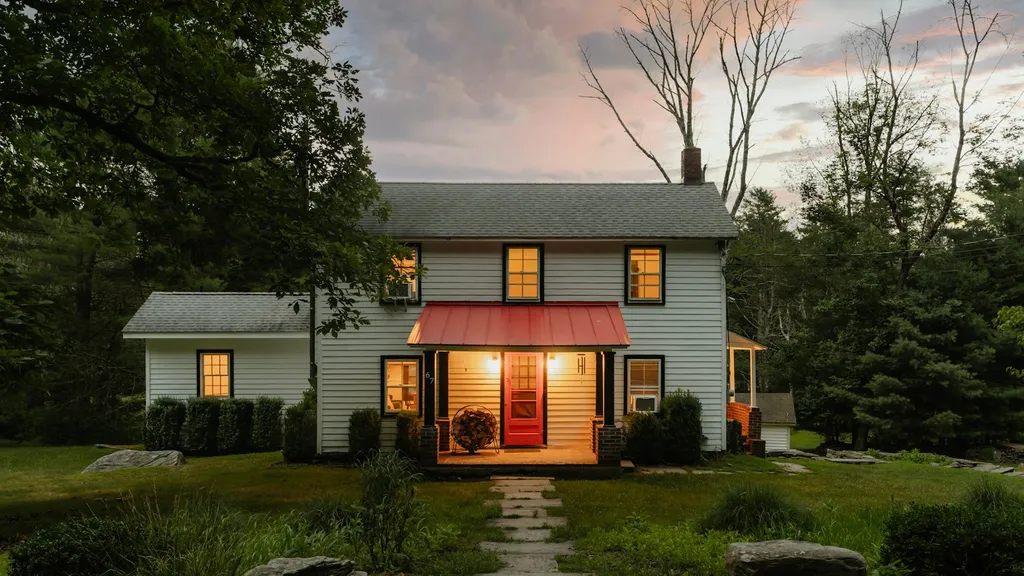
Bat Problems in Lexington, SC
Lexington is the fastest-growing area in the Columbia metro, and that growth is pushing homes into bat territory. Lake Murray is the dominant geographic feature — miles of shoreline with homes that have complex rooflines, dormers, and multiple roof planes. Every roof junction and valley is a potential entry point for bats. The mix of older lake homes from the 1970s and 1980s and new suburban construction means both settling gaps and fresh construction gaps for bats to exploit.
Lake Murray's insect population makes bat activity higher here than in areas away from water. Bats feed over the lake at dusk and look for roosting spots nearby — and the nearest house with a gable vent gap or soffit opening becomes home. If you live near the lake or in one of Lexington's wooded neighborhoods, bats aren't a question of if but when.
Why Bats Are Common Around Lexington
Lake Murray is the primary driver. The water produces enormous insect populations, and bats follow the food. Homes along the shoreline and in neighborhoods with lake access have higher bat activity than those farther inland. Mature trees in older Lexington neighborhoods provide natural roosting habitat that gets disrupted when lots are cleared for new construction — displaced bats move into the nearest structure with a gap.
The housing stock in Lexington creates plenty of entry points. Lake homes from the 1970s and 1980s have decades of settling, and their complex rooflines mean more junctions where gaps can develop. New construction in Lexington's growing subdivisions still has construction gaps at gable vents, soffits, and ridge joints. Bats don't need a big opening — 3/8 inch is enough — and new homes have plenty of gaps that size.
Our Lexington Bat Removal Services
We offer all six bat removal services to Lexington homeowners: bat removal, bat exclusion, bat remediation, bat inspection, bat proofing, and dead bat removal. Free estimates with itemized pricing, written warranties on proofing work, and SC-compliant exclusion methods. Lexington County permitting requirements apply to exterior work, and we handle all compliance. Same-day estimates are available for most Lexington addresses.
Areas We Serve Around Lexington
We serve the entire Lexington area, including the Lake Murray shoreline, downtown Lexington, Red Bank, Gilbert, and Pelion. Lake Murray homes get the most bat calls — the combination of water, insects, and complex rooflines makes them especially vulnerable. Downtown Lexington and Red Bank have a mix of older and newer construction with different entry point profiles. Gilbert and Pelion are more rural, but bats don't care about city limits — if there's a gap and insects nearby, they'll move in.
Call for Lexington Bat Removal
If you're hearing scratching in your attic at dusk or finding guano near your home, call (803) 962-7434 for a free estimate. We'll inspect your home, identify entry points, and give you an itemized quote. Quick response times to Lexington and the Lake Murray area.
Ready to get bats out of your Lexington home?
Call (803) 962-7434 or fill out the form for a free estimate in Lexington. We'll inspect your home, identify entry points, and give you an itemized quote — no obligation, no pressure.
(803) 962-7434Bat Removal Services Available in Lexington, SC
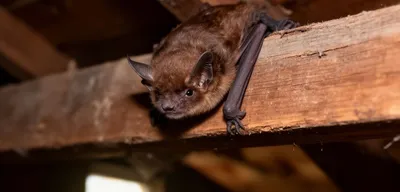
Bat Removal
Humane bat removal from homes and attics across Columbia and the Midlands.
Learn More →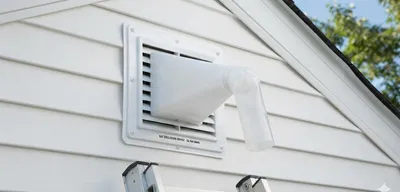
Bat Exclusion
The professional, legal method for getting bats out of your home — permanently.
Learn More →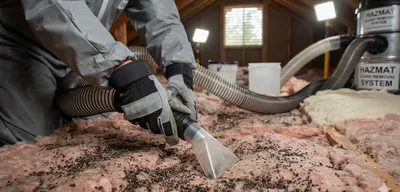
Bat Remediation
Guano cleanup, attic restoration, and histoplasmosis prevention after a bat infestation.
Learn More →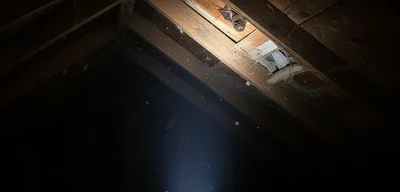
Bat Inspection
Thorough attic and exterior inspections to find bats, entry points, and damage.
Learn More →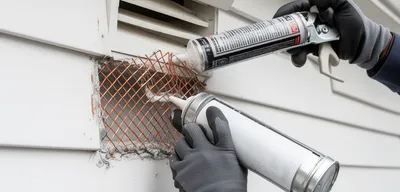
Bat Proofing
Prevent bats from returning — seal every entry point on your home for good.
Learn More →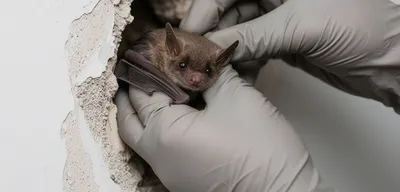
Dead Bat Removal
Safe removal and disposal of dead bats from homes, walls, and attics.
Learn More →- Bat Removal in Lexington
- Bat Exclusion in Lexington
- Bat Remediation in Lexington
- Bat Inspection in Lexington
- Bat Proofing in Lexington
- Dead Bat Removal in Lexington
Frequently Asked Questions
How much does bat removal cost in Columbia, SC?
Costs vary based on colony size, attic damage, and proofing scope. Most jobs range from $300 to $5,000+. We offer free estimates with transparent, itemized pricing — no vague ranges. The only way to get an accurate number is an on-site inspection of your home.
Is bat removal legal in South Carolina?
Yes, but bats are protected under SC law. Exclusion — one-way devices that let bats leave on their own — is the only legal method. No poisons, no trapping, no killing. Maternity season runs May 15 through August 15, and exclusion during that window is restricted to prevent orphaning flightless pups.
How do I know if I have bats in my attic?
Listen for scratching or squeaking at dusk and dawn. Look for guano piles near the base of your walls or on the ground below your roofline. Check for dark brown stains on siding near gaps. An ammonia smell in the attic means an established colony. If you see bats exiting your roof at sunset, you've got bats.
Can I remove bats myself?
No. Bats are protected by SC law, and DIY methods don't work. Mothballs and ultrasonic devices are ineffective. Sealing entry points while bats are inside is illegal and traps them — they'll end up in your living space or die in your walls. Professional exclusion is the only method that's both legal and effective.
How long does bat exclusion take?
The exclusion phase takes 3–7 days as bats leave on their own through one-way devices. The full project — inspection, exclusion, proofing, and any needed cleanup — typically takes 1–2 weeks of elapsed time with 2–4 days of on-site work.
Are bats protected in South Carolina?
Yes. South Carolina law prohibits killing bats, and some species are federally protected. Exclusion during maternity season (May 15–August 15) is restricted to prevent orphaning flightless pups. Professional exclusion is the legally compliant method, and SC DNR regulations govern how and when exclusion can be performed.
What does bat guano cleanup involve?
HEPA-filtered removal of all guano, disinfection of affected surfaces with antimicrobial agents, contaminated insulation replacement, and odor treatment. The key health concern is histoplasmosis — disturbing dried guano releases dangerous fungal spores, especially in Columbia's hot, humid climate where fungal growth accelerates.
Does bat proofing keep bats from coming back?
Yes. Professional proofing seals every entry point — gaps as small as 3/8 inch — with durable materials like copper mesh, galvanized flashing, and industrial-grade sealants rated for Midlands conditions. Most proofing comes with a warranty. If bats get back in through a sealed point, we return and fix it at no charge.